01
Fundamentals first
Balance, footwork, ball control, passing, receiving, finishing, and shooting habits give a young player more useful options.
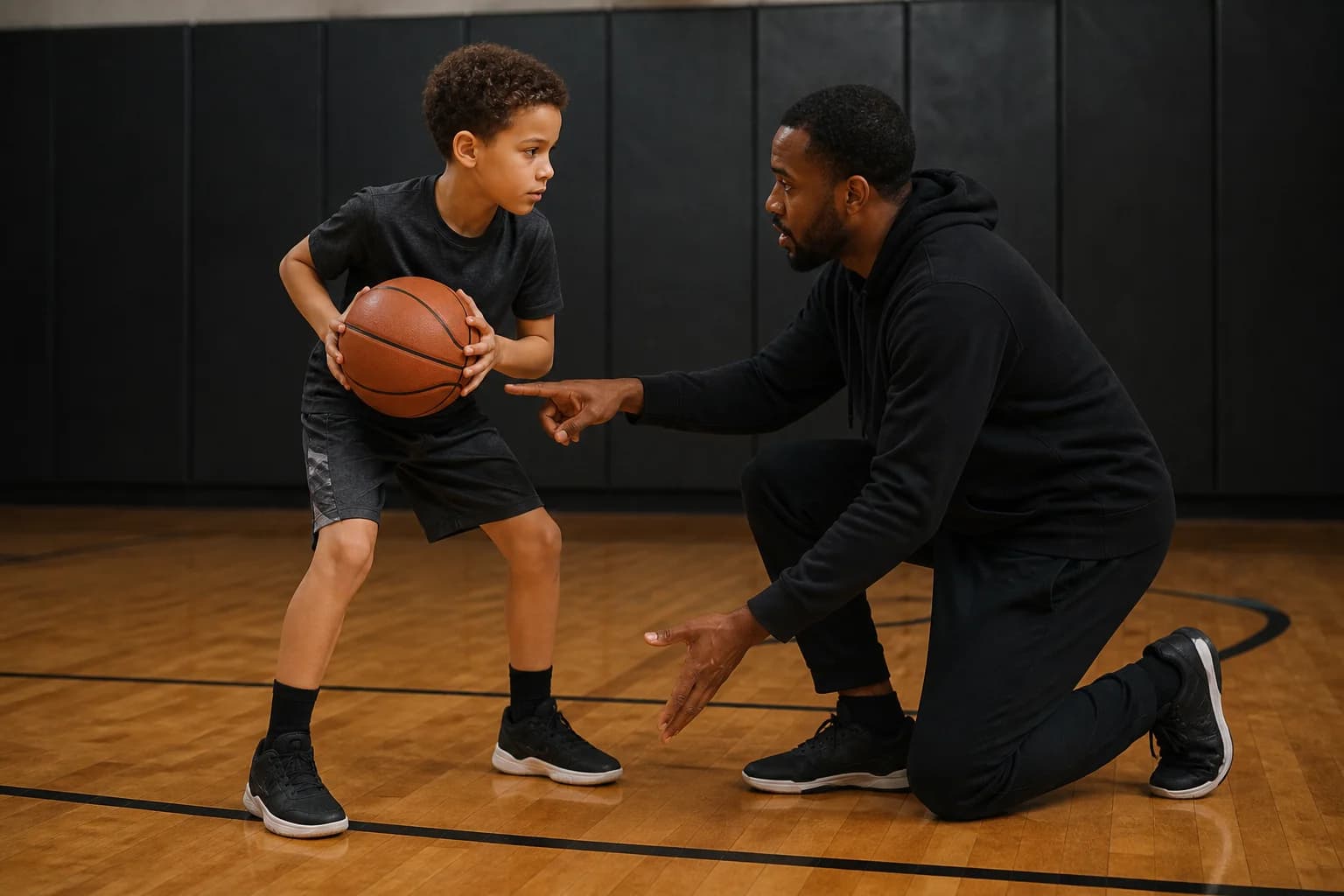
Illustrative brand imagery · Not a current Arenvor program
Our starting focus
Arenvor’s first focus is basketball development for children aged 12 and under, designed with families in China in mind. Young players need strong foundations, meaningful challenges, room to stay curious, and a healthy relationship with the game.
Why 12 and under
These years can shape movement foundations, curiosity, confidence, team habits, and the way a child responds to competition.
The goal is not to rush children toward adult basketball. It is to help them become better learners of the game. Exact age bands, experience levels, group sizes, and prerequisites will vary by future program and will be clearly stated before enrolment.
Build around the child’s stage—not adult expectations.
How children learn
Fundamentals become meaningful when children can connect balance, control, vision, and teamwork. The sequence should grow with the player—not race ahead of them.

Ball control
Feel the ball. Find balance.
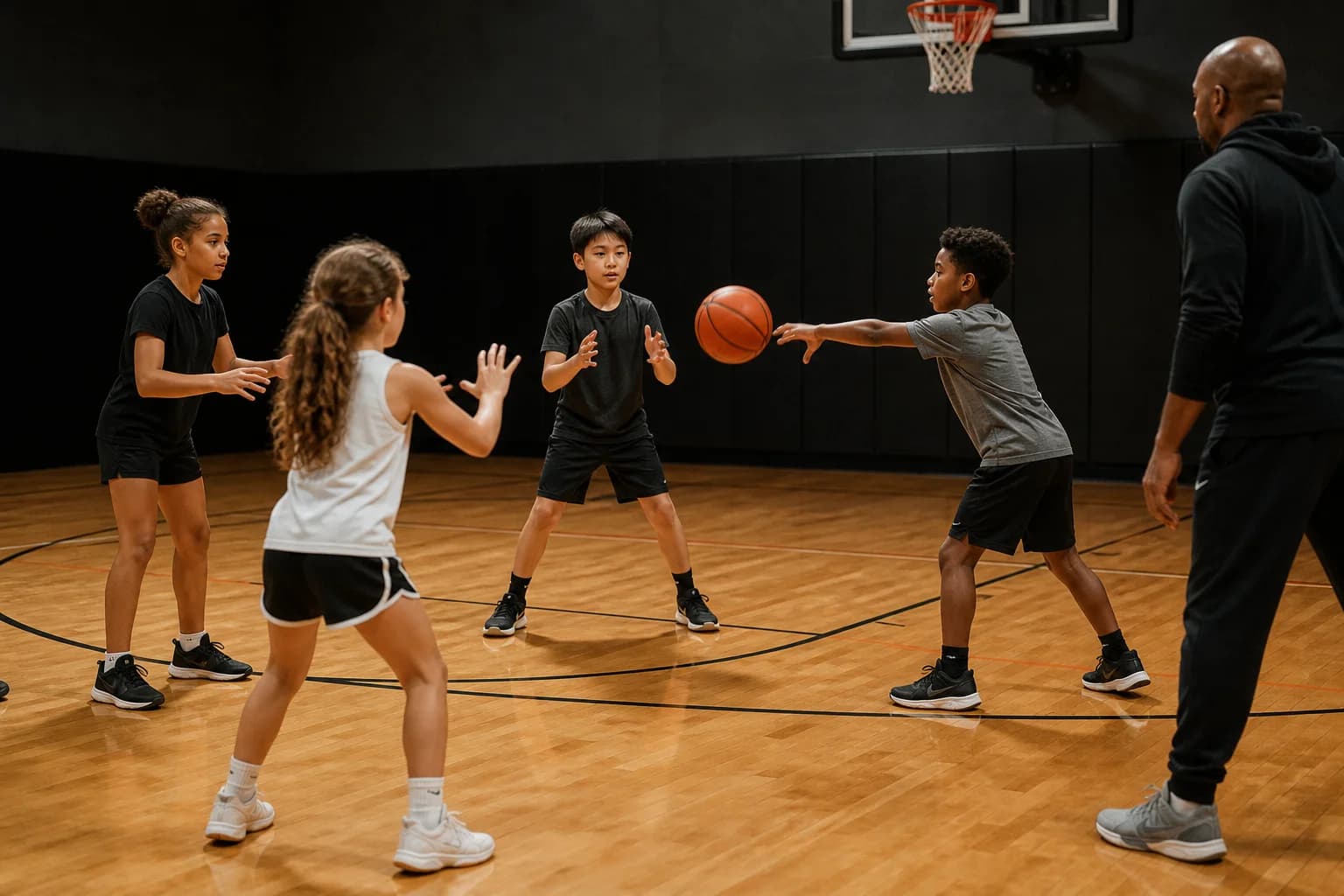
Decisions
See the teammate. Make the pass.
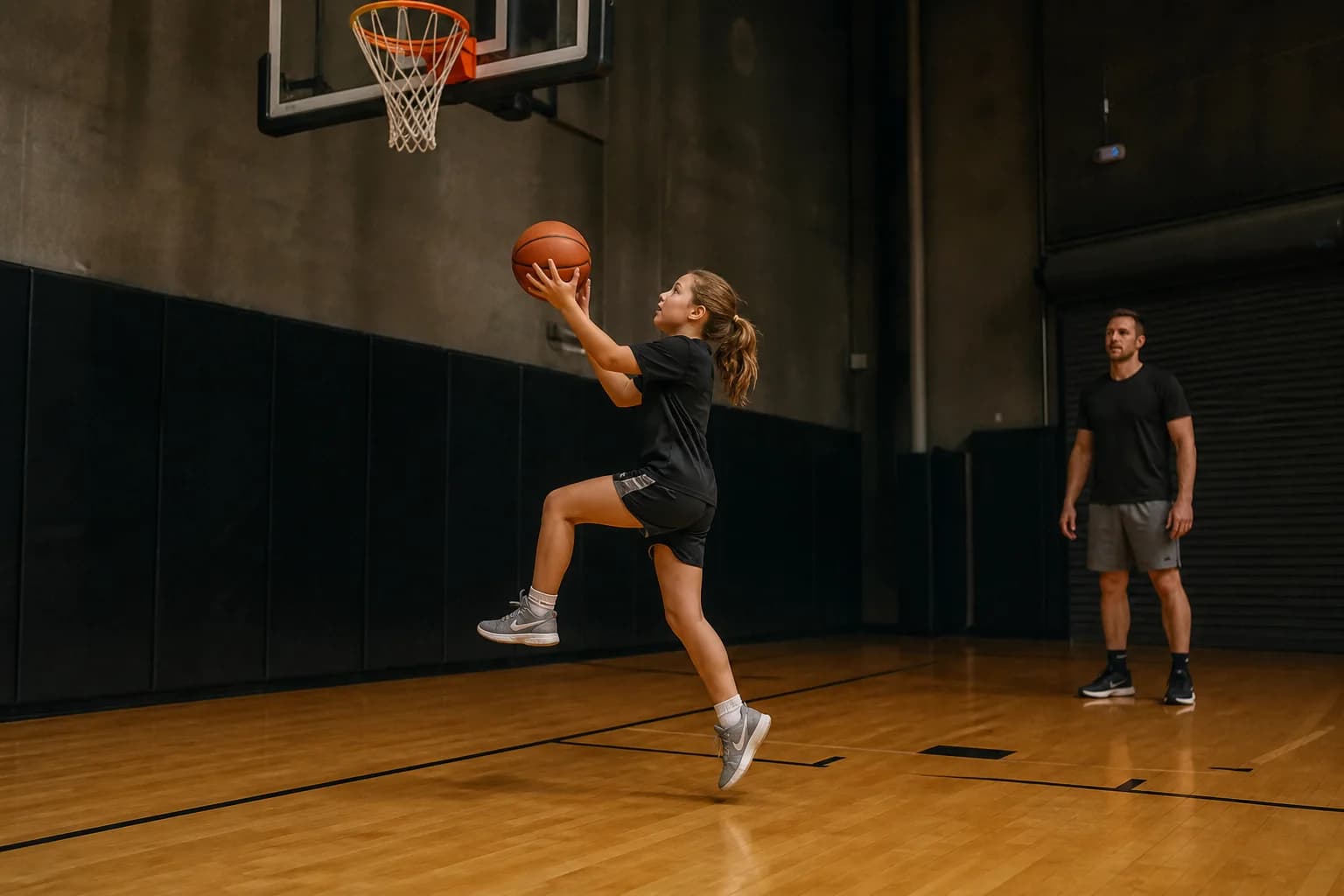
Finishing
Build the movement one step at a time.
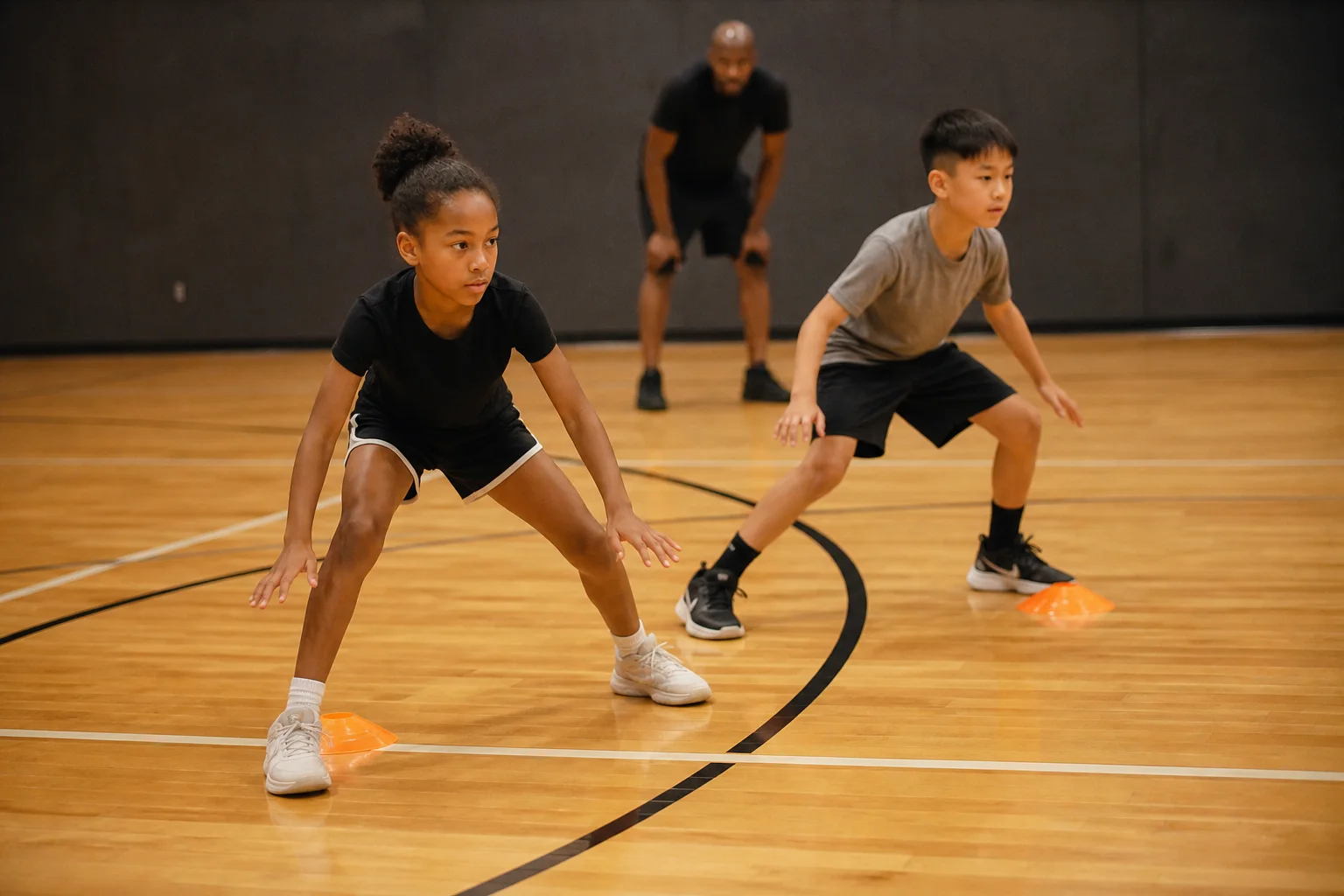
Movement
Balance, position, and readiness.
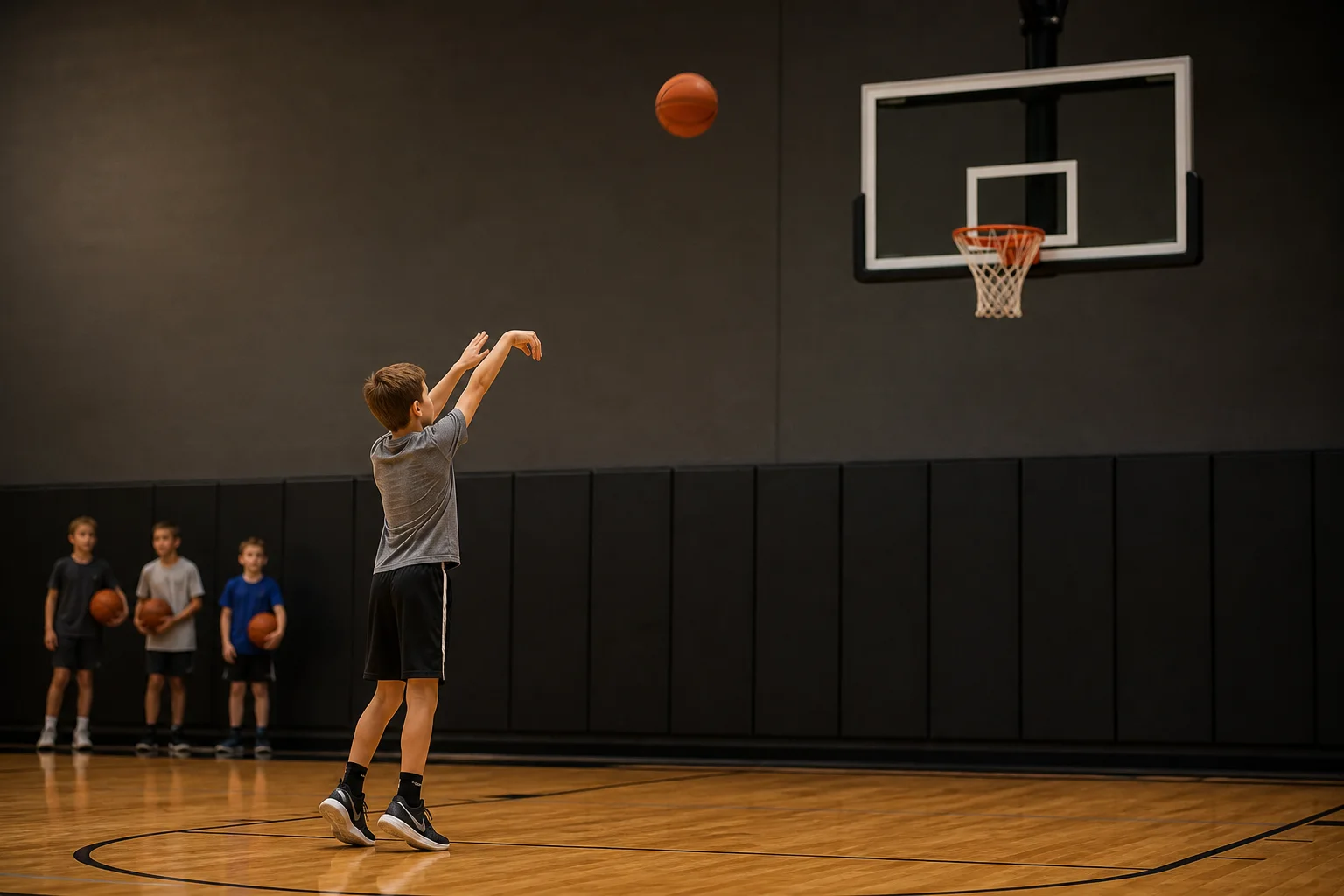
Shooting
Repeat a strong foundation.
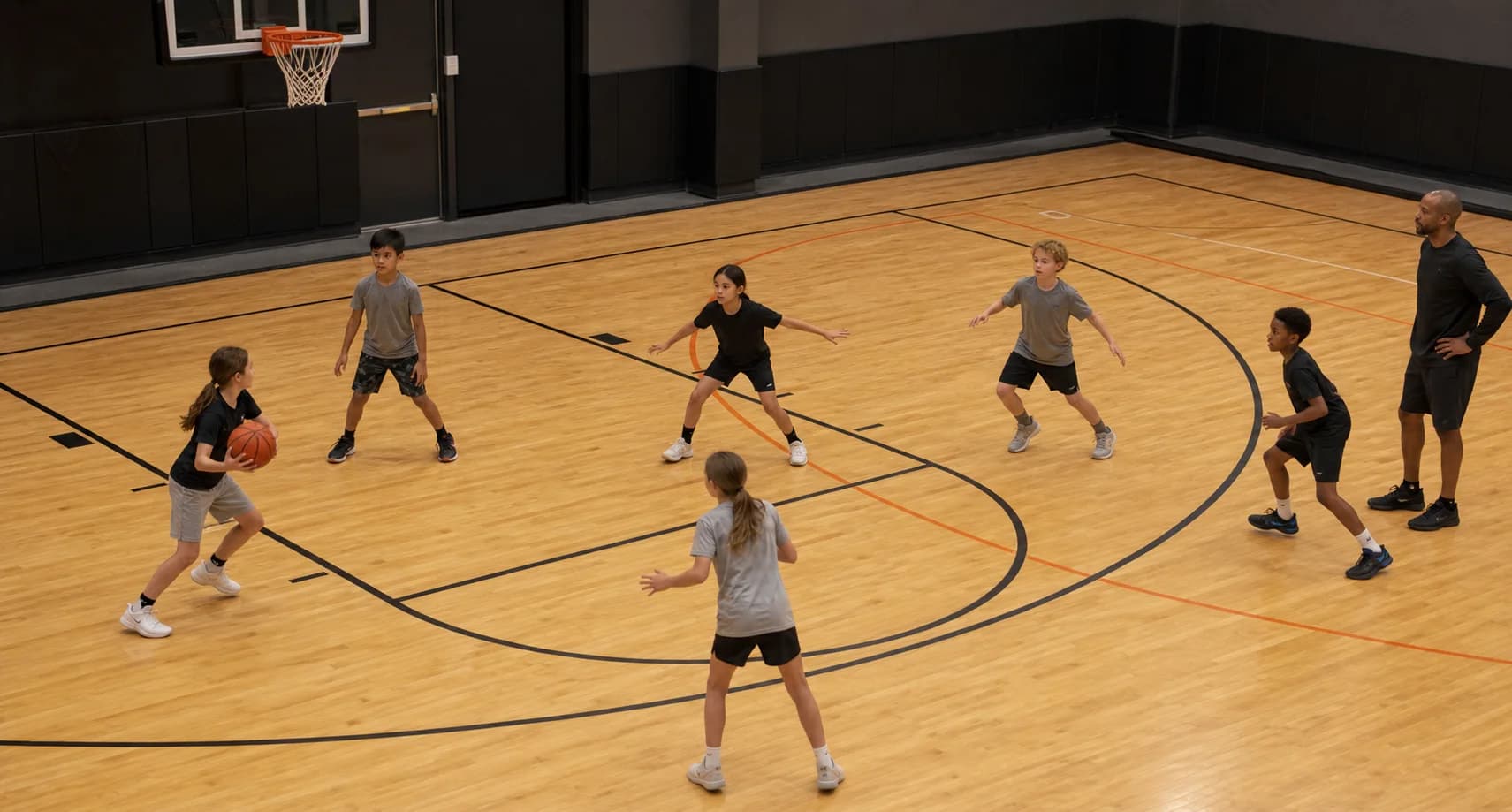
Read and react
Use skill inside the game.
Illustrative, synthetic training scenes. They do not depict a current Arenvor class, coach, or participant.
Development philosophy
We are not designing a collection of disconnected drills. A useful model should help a child understand what they are learning, why it matters, and what to work on next.
01
Balance, footwork, ball control, passing, receiving, finishing, and shooting habits give a young player more useful options.
02
Basketball is a game of space, timing, and choices. Children should learn to see the game—not only memorize movements.
03
Individual skill becomes more valuable when a player can communicate, share the ball, move with purpose, and help the group.
04
Mistakes are part of learning. Young players need opportunities to reset, stay present, and make the next decision.
05
Compete with courage, win with humility, lose with perspective, and respect teammates, opponents, coaches, and officials.
A development journey
This is a philosophy for sequencing development, not a promise that every future program will cover every element. Each confirmed program will publish its own specific objectives.
Balance, coordination, body control, and confident movement.
Control, passing, receiving, finishing, and shooting foundations.
Space, timing, teammates, defenders, and simple game reads.
Communication, roles, effort, and responsibility to the team.
Understand what went well and what deserves the next repetition.
Learning through the game
Competition should meet children where they are. Small courts, simple decisions, growing teamwork, and respectful challenge can change as young players become more ready for the full game.
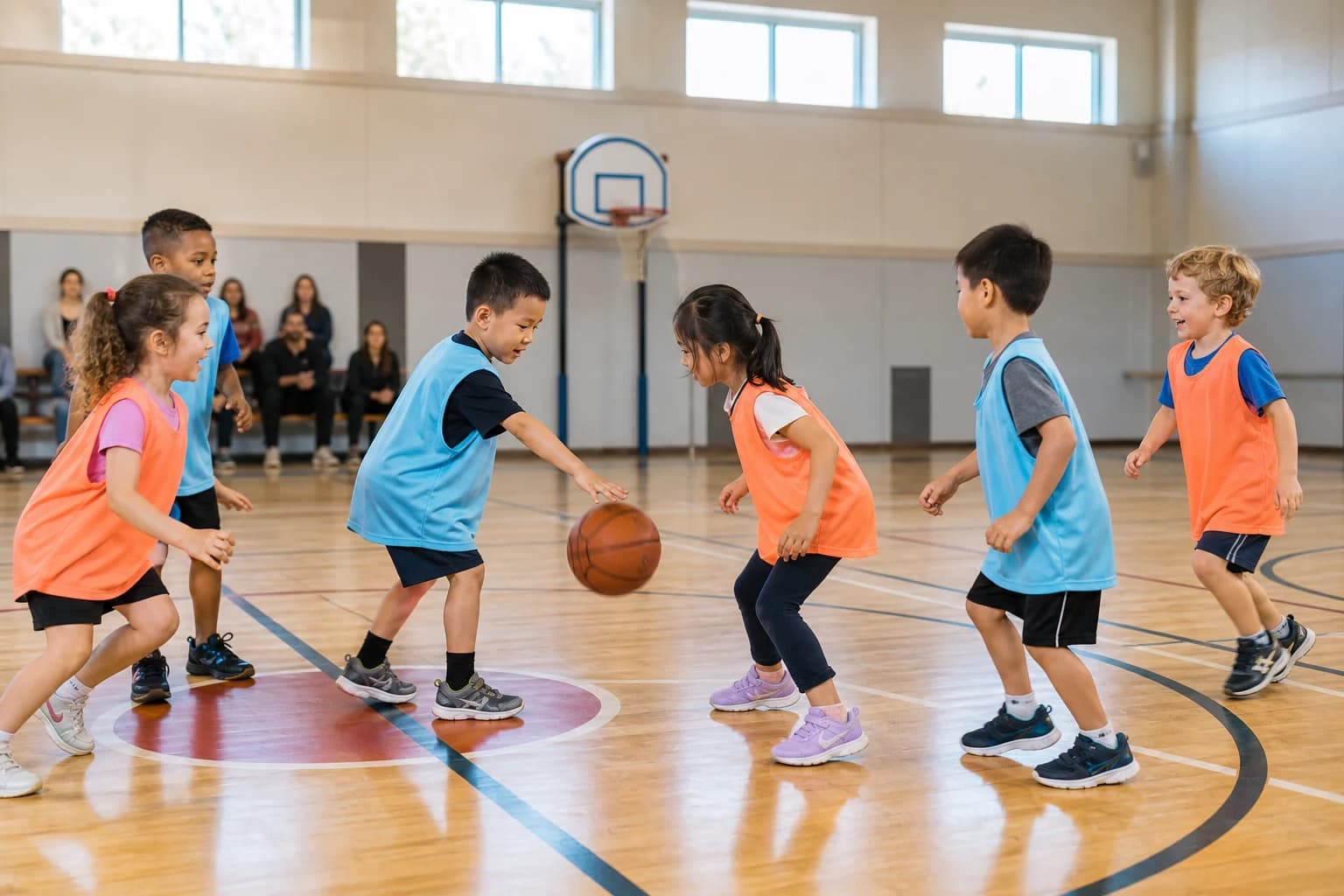
Ages 5–6 · Getting started
01Small sides. Simple choices. Lots of touches.
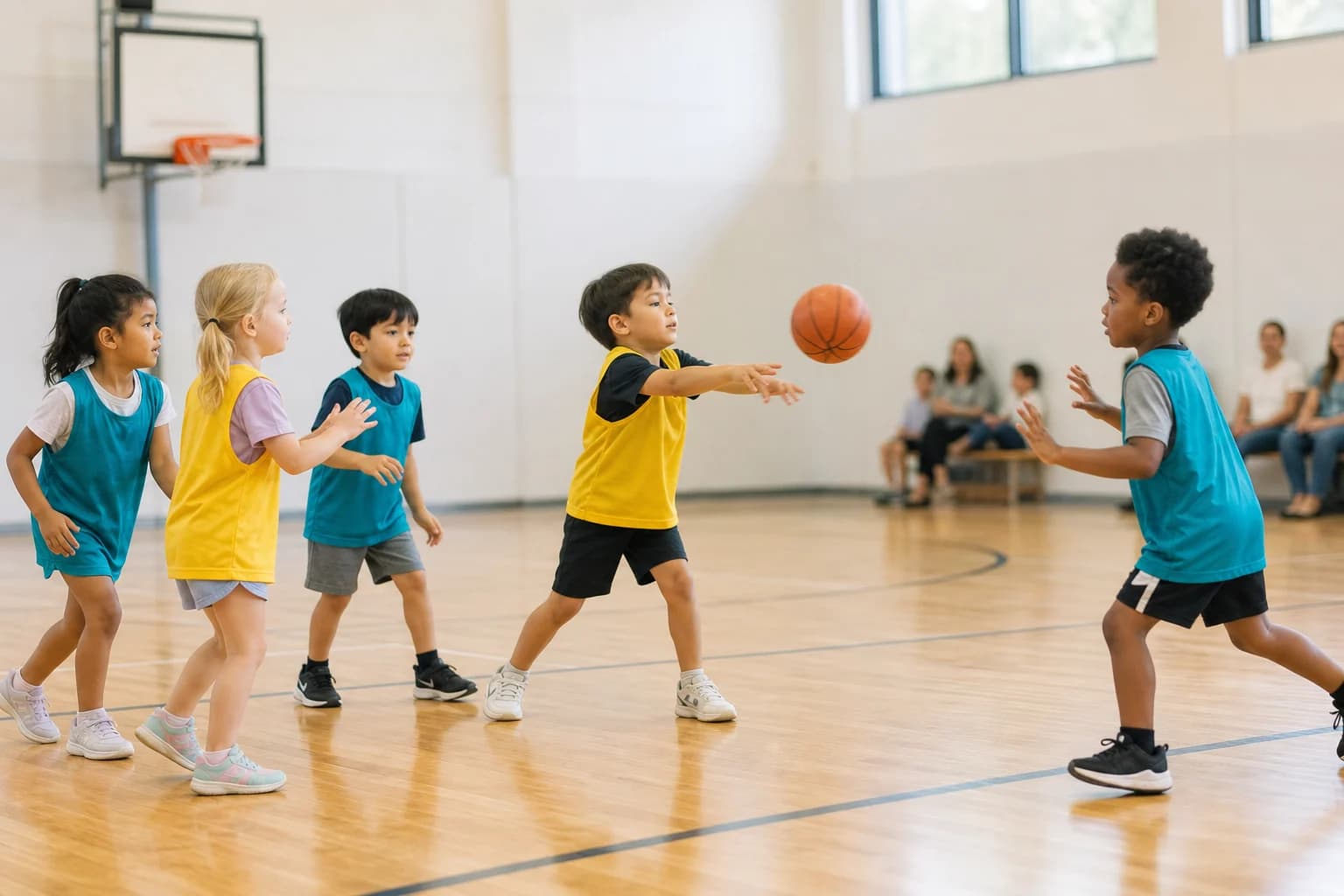
Ages 5–6 · Share the ball
02Look up, find a teammate, and move again.
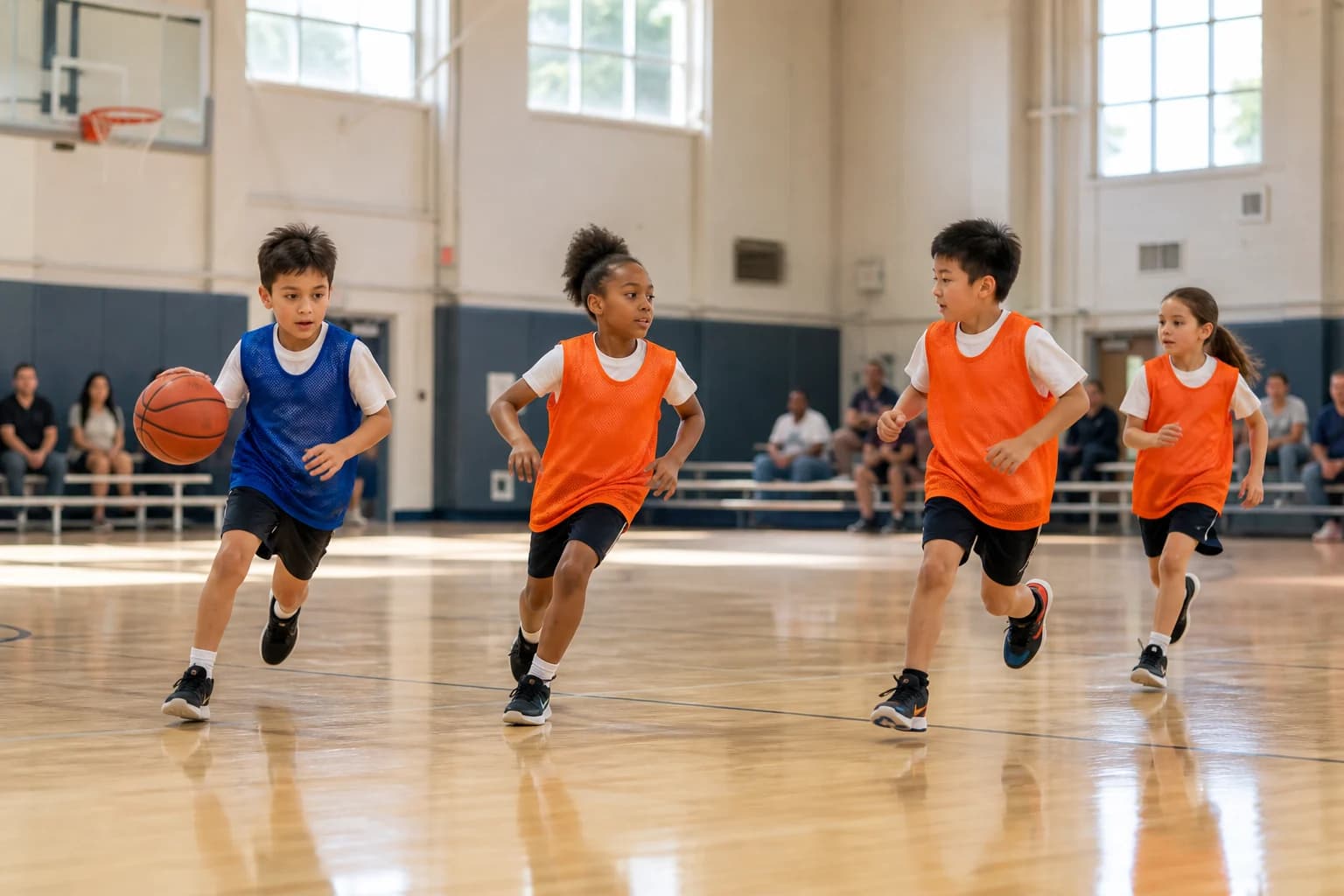
Ages 7–8 · Transition
03Control the ball while the floor changes.
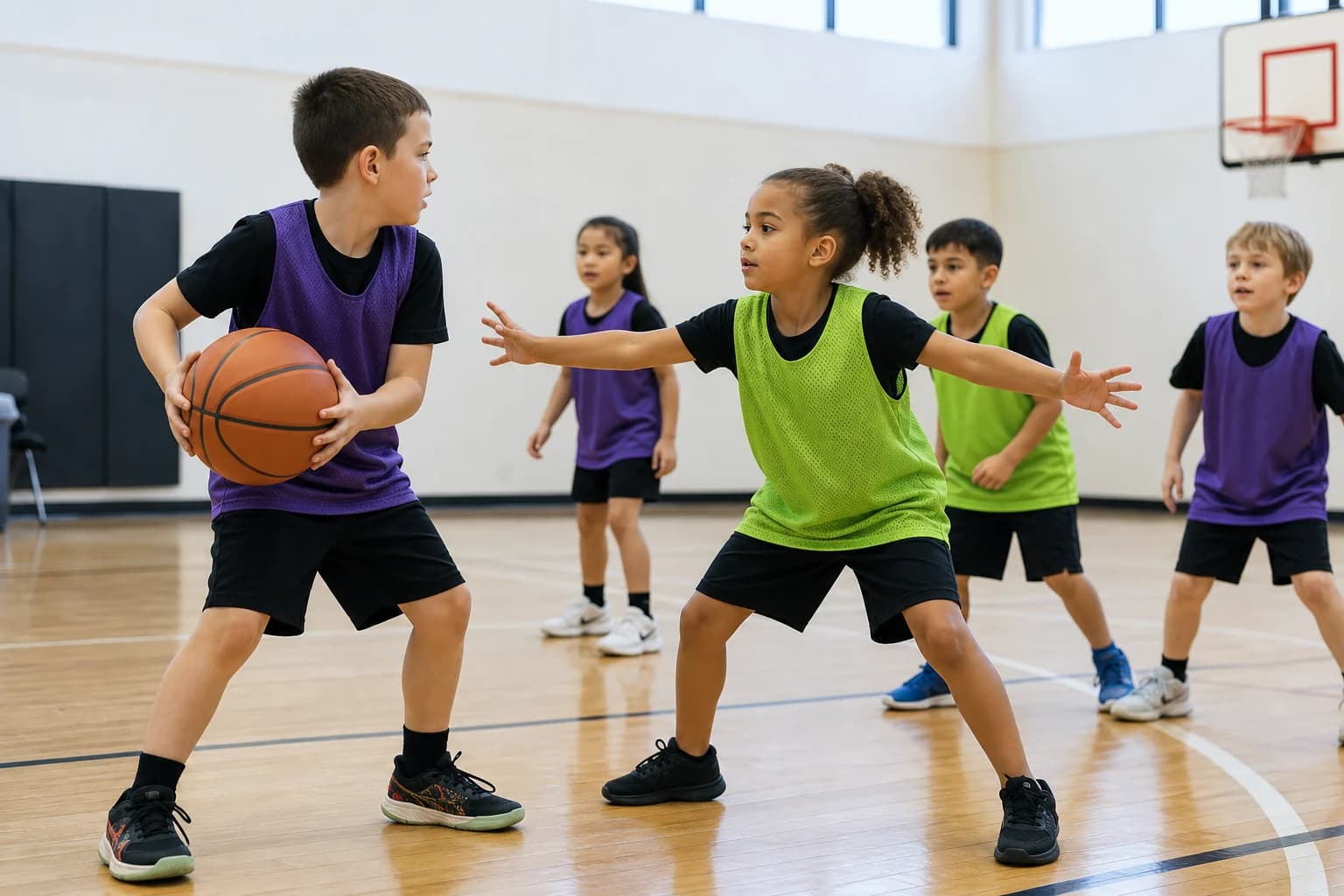
Ages 7–8 · Defend with balance
04Stay ready without losing control.
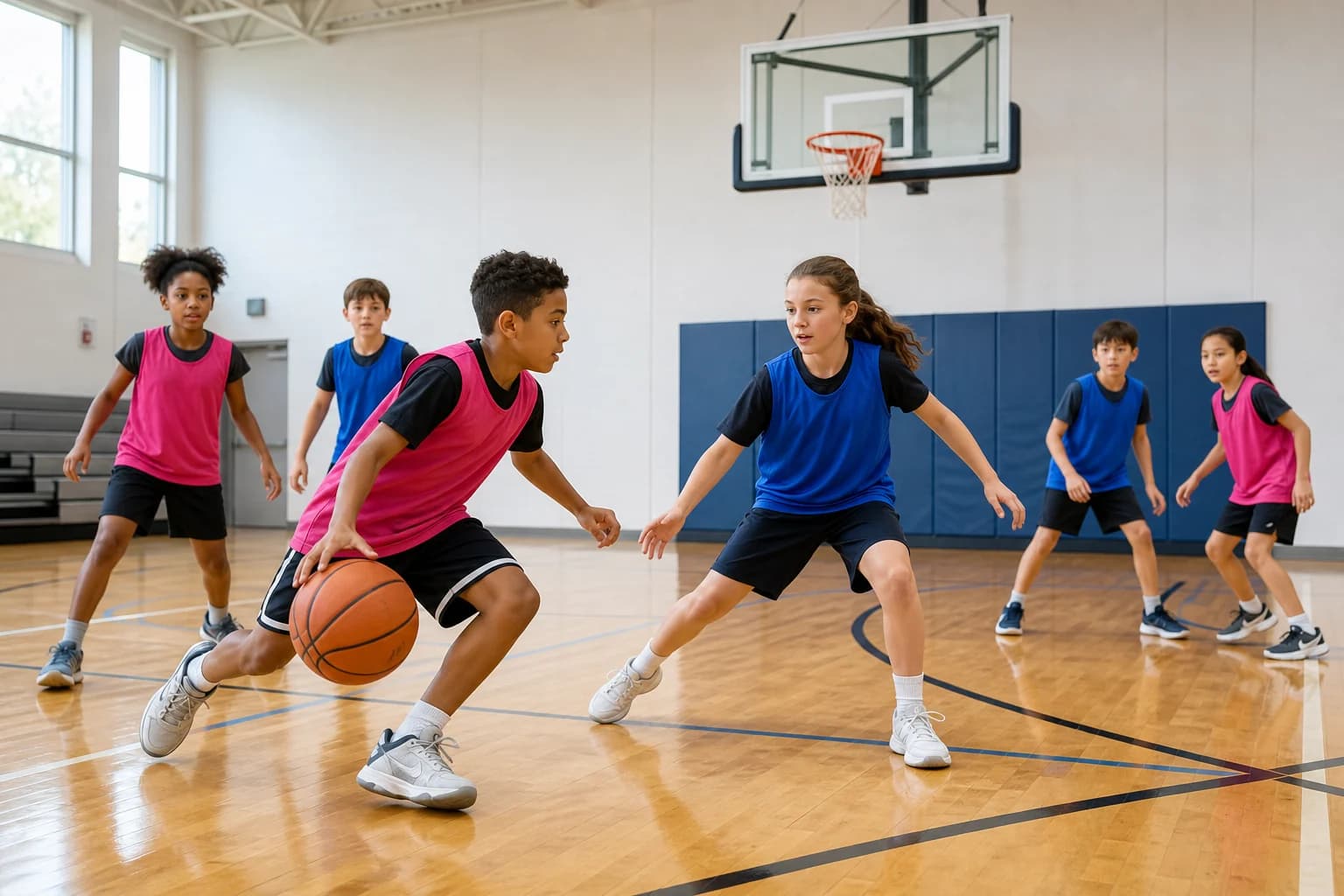
Ages 9–10 · Create space
05Drive, help, and read what opens next.
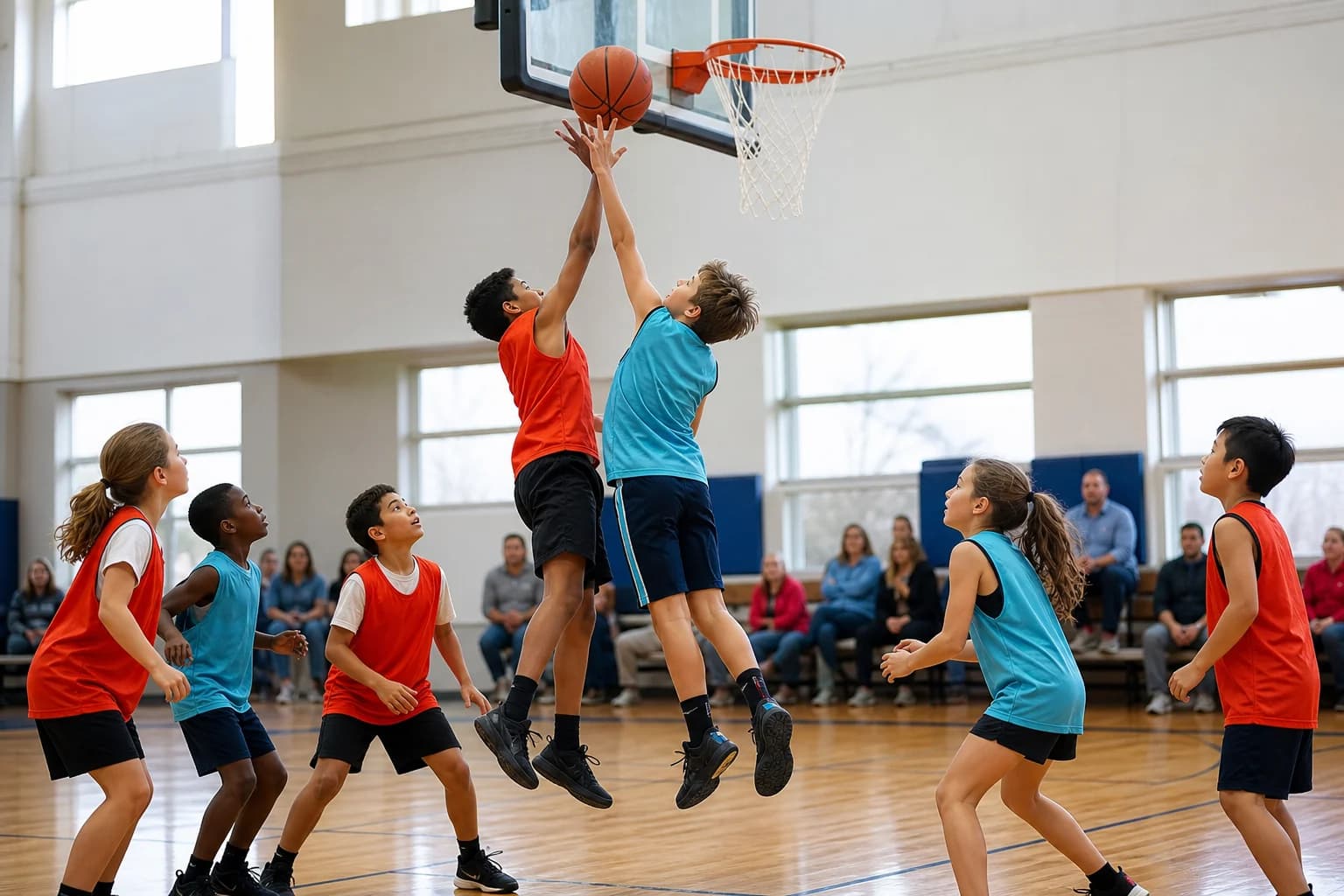
Ages 9–10 · Rebound
06Find position, meet the ball, and play on.
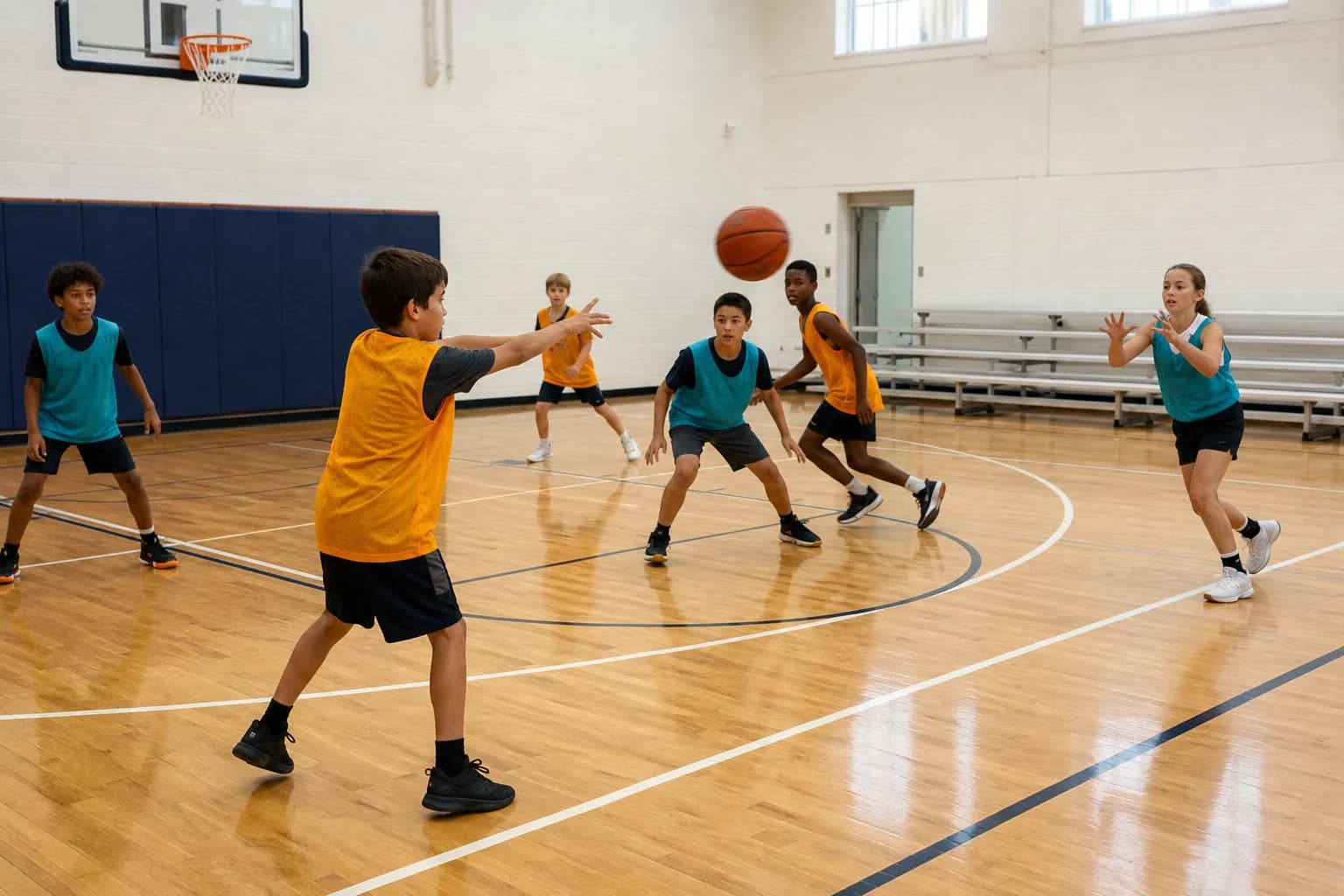
Ages 11–12 · Move the defence
07See the whole floor and make the next pass.
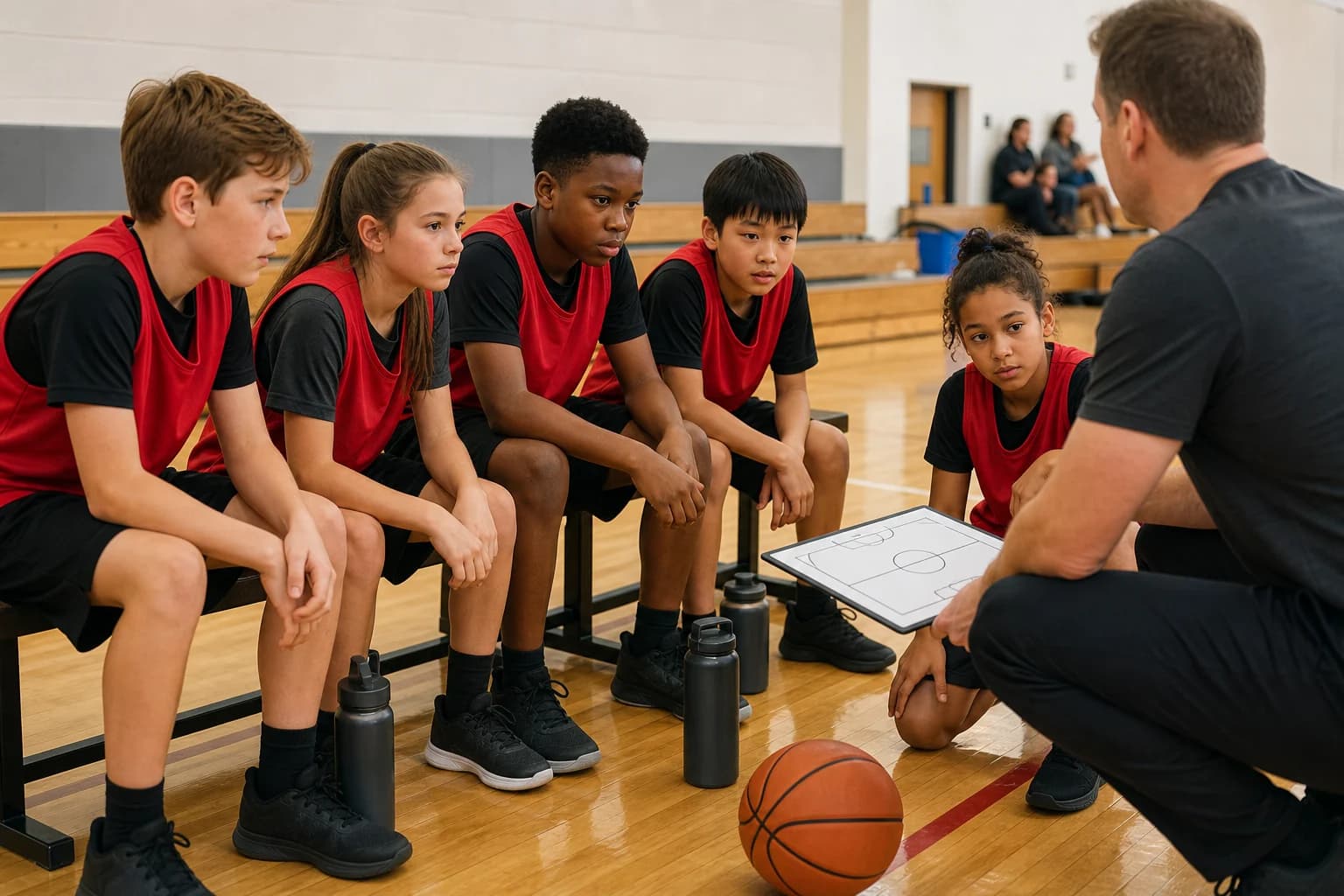
Ages 11–12 · Listen and adjust
08Competition also teaches reflection.
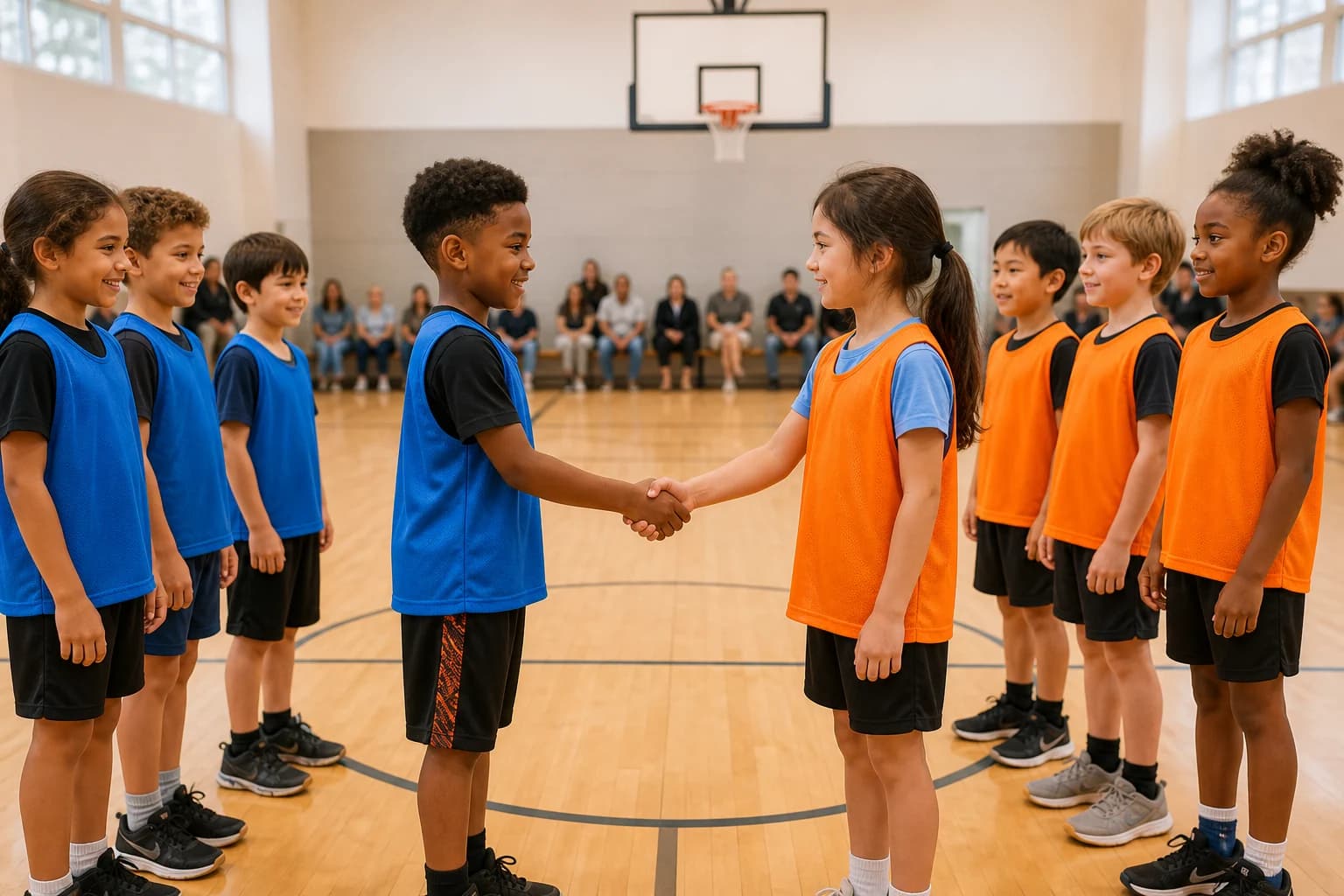
Before the game · Respect
09The opponent helps make the game possible.
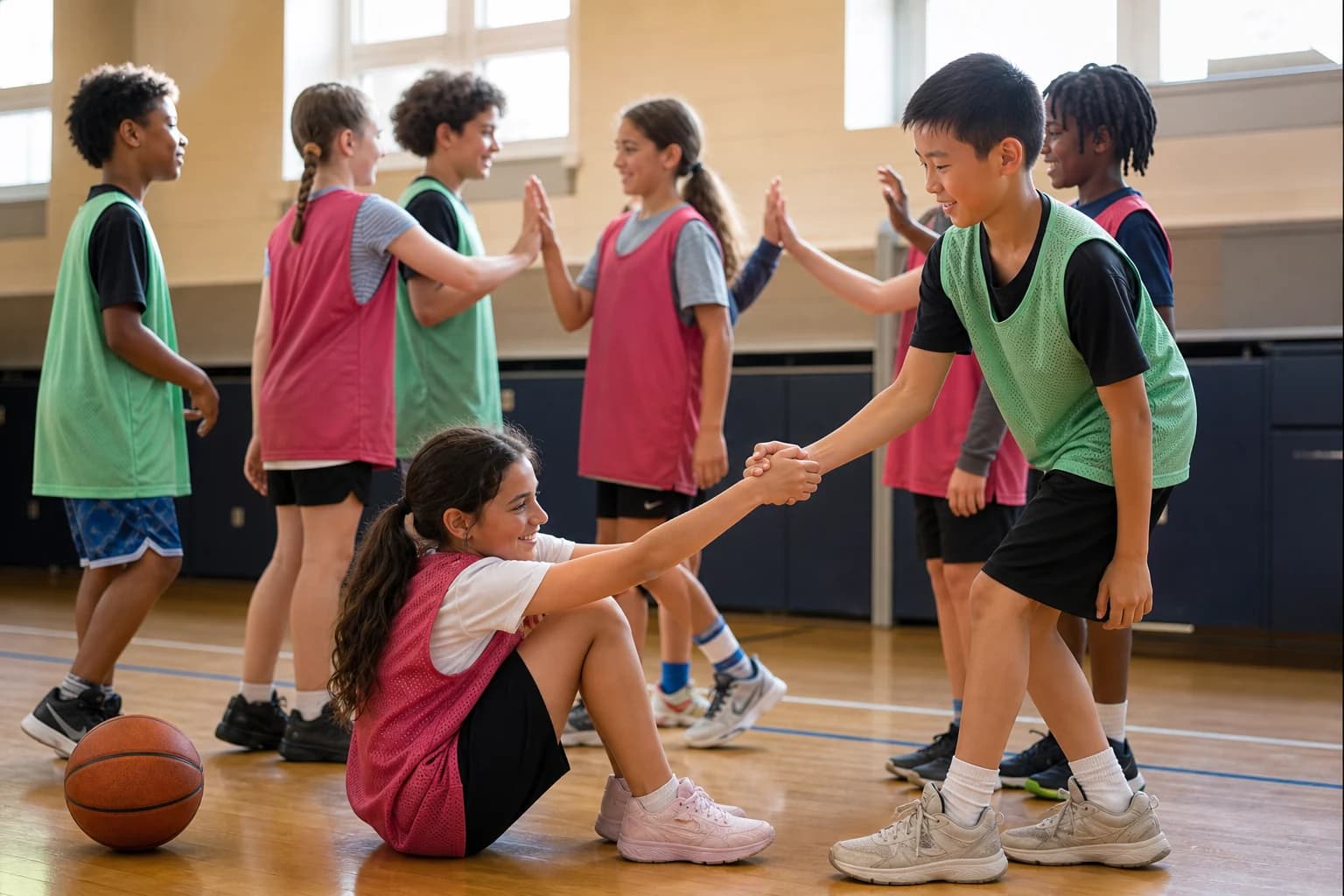
After the game · Sportsmanship
10Compete fully. Leave with perspective.
Illustrative, synthetic game scenes—not photographs of an Arenvor event. Any future competition format will publish its own verified ages, rules, supervision, and delivery details.
Clarity for families
Future Arenvor programs are intended to make development visible without turning childhood sport into constant measurement. Families should understand the purpose, the responsibilities, and the next step.
Before
Future program pages should explain objectives, age and ability fit, people, responsibilities, consent, and family terms before a decision is requested.
During
Meaningful updates, responsible media use, and clear communication should help families understand what is happening without turning childhood sport into constant surveillance.
After
Useful feedback should identify what the child is learning, where attention is needed, and how progress can continue beyond one experience.
Responsible delivery
Registration will open only after a program’s people, place, age grouping, supervision, responsibilities, participant-wellbeing processes, and family terms have been verified.
Start a conversation
If you are a parent, coach, school, or basketball organization interested in the direction we are building, we would be glad to hear from you.
Ask about future youth basketball